

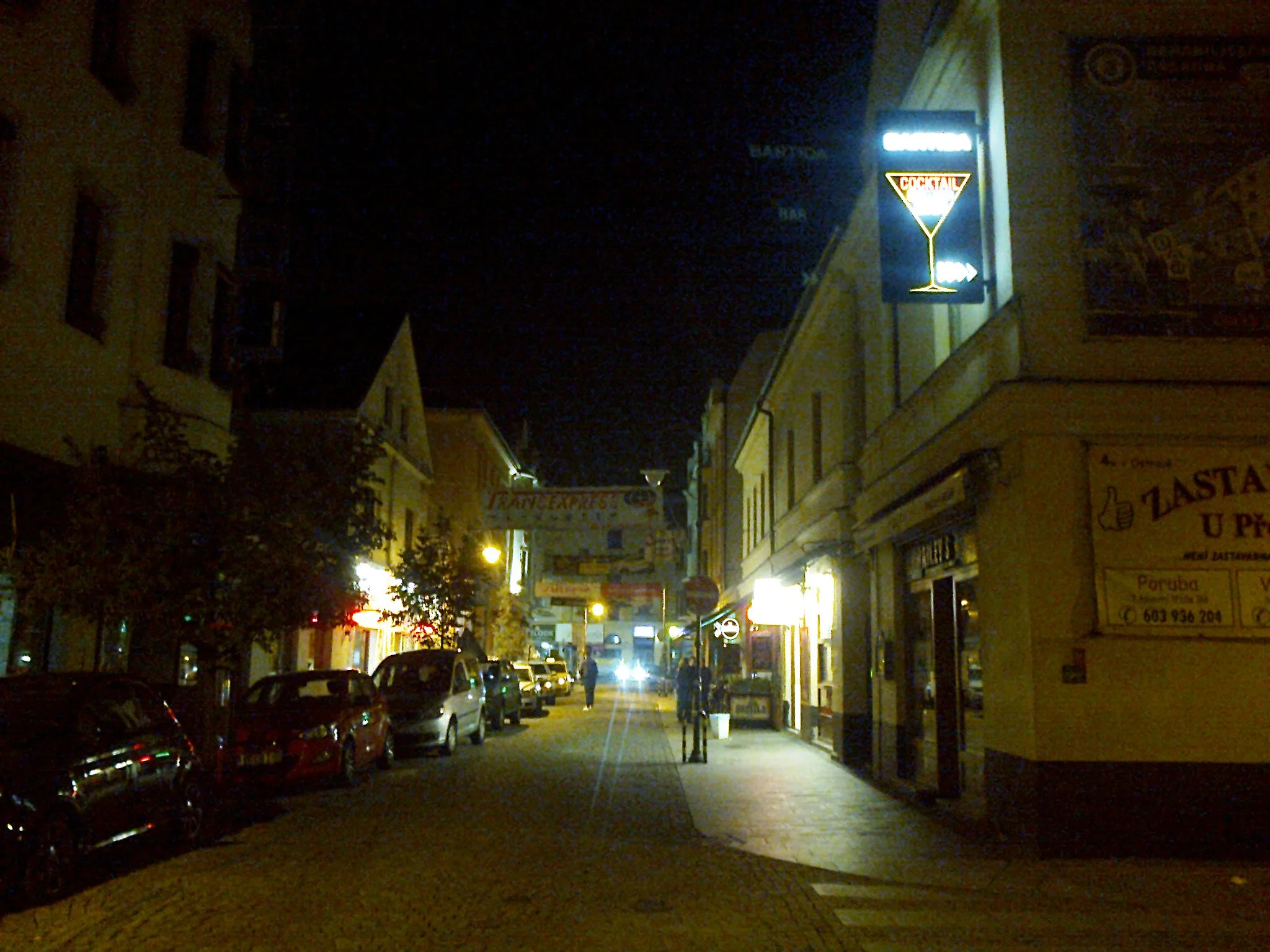
In present-day Ostrava, an open door proves more than an old reputation.
For years, the nightlife instruction for Ostrava required one street name.
Stodolní.
Go there.
Apparently it never slept.
That reputation travelled well. Long after the street’s peak, travel guides continued presenting it as a compact district where dozens of bars and clubs guaranteed an easy night out. You could supposedly arrive without a plan, follow the noise and move from one busy venue to the next until morning.
That promise created high expectations.
On Friday 28 November 2025, an InstantTraveling field visit followed the old instructions almost exactly.
Dinner came first at HogoFogo Bistro, a confident modern restaurant within walking distance of the centre. After that, the plan was simple: reach Stodolní, inspect the famous party street and let the district organise the rest of the night.
It did not.
Around midnight, Dublin Pub was the only place that felt convincingly busy. MyBar 13 had people inside, but the crowd felt self-contained rather than socially open. Café de la Ostrava gave an immediate impression of a cramped, drug-heavy room rather than a functioning night out. We left quickly.
Bernie’s Irish Pub, despite appearing repeatedly in older recommendations, was either too quiet or too easy to miss to function as the obvious nightlife anchor those descriptions had promised.
The evening did not prove that Stodolní is permanently dead.
One Friday is still one Friday.
Weather, timing, events, university schedules and random group behaviour can change a street within an hour. A personal visit should not be upgraded into a scientific conclusion merely because it was disappointing.
But the experience was not isolated either.
Local Czech reporting had already spent years documenting the street’s decline. In November 2025, only weeks before that field visit, the Moravskoslezský deník sent a reporter to Stodolní on a Saturday night and found the street surprisingly empty around 22:30. An earlier 2025 report described disappearing clubs and falling visitor numbers. Local discussions increasingly warned travellers that the old reputation no longer matched the dependable reality.
The problem was not that one visitor chose the wrong doorway.
The problem was that the guidebook had described a nightlife system that no longer existed in that form.
The myth survived more successfully than the district
Stodolní became famous during the late 1990s and early 2000s, when a dense cluster of pubs, bars, clubs and music venues turned a short group of central streets into one of Czechia’s best-known nightlife destinations.
The phrase “the street that never sleeps” was not invented from nothing.
People travelled to Ostrava specifically for it. Weekends brought visitors from across the region and neighbouring Poland. Bars were concentrated closely enough that the street itself became the attraction.
That history explains why the recommendation survived.
Once a district becomes famous, articles copy one another. Old venue lists remain online. Reviews continue accumulating after management changes. A club name can remain visible in search results years after the room behind it has changed or closed.
The Stodolní directory itself now includes a warning that its venue information reflects the situation in 2021 and may no longer correspond with reality.
That disclaimer is more useful than most nightlife guides.
It admits that a list is not a current street.
The field visit was a warning, not a universal verdict
The November 2025 experience deserves to be used carefully.
It would be unfair to declare that everybody visiting Stodolní will find exactly the same rooms, people and atmosphere.
It would be equally unhelpful to remove the experience because it was subjective.
Travel is subjective.
The useful distinction is between observation and generalisation.
The observations were straightforward:
- the street was much quieter than its reputation suggested;
- several places recommended in advance did not produce a convincing night;
- some rooms felt closed, uncomfortable or simply wrong for the visitors;
- Dublin was the only venue that maintained a real crowd well into the night;
- moving between venues did not create the effortless bar-crawl momentum promised by older guides.
The broader conclusion requires outside evidence.
Local reporting supplies it.
A Moravskoslezský deník feature from November 2025 described traditional venues disappearing, conflict around the remaining nightlife and a street whose present reputation increasingly involves drugs, heavily intoxicated visitors and nostalgia for an earlier period.
An August 2025 report by iDNES likewise described shrinking attendance, club closures and businesses struggling with fewer customers.
A Czech Reddit discussion from February 2025 gives a less formal but revealing local signal. A visitor asked where to go out after hearing about Stodolní. Most responses advised avoiding it, described its stronger period as finished and suggested places such as Dock instead.
That forum is not an official nightlife census.
It is evidence of how the street is discussed by people familiar with the city.
The personal disappointment therefore fits a documented change.
It does not stand alone.
Stodolní is not empty. It is unreliable.
Calling the street dead is too simple.
Dublin Pub still operates, and its official hours currently extend until 04:00 on Friday and Saturday. It was also the venue that worked during the field visit: busy enough to feel social, open late enough to sustain the night and recognisable enough that people continued arriving.
That makes Dublin useful.
It does not restore the entire district.
Bernie’s also remains active. Its current operation, however, is closer to an Irish-style pub and restaurant than an automatic all-night club. Its published hours generally run until midnight, with food, beer and programmed evenings forming a more structured offer.
That difference matters.
An old guide may describe Bernie’s as part of a legendary nightlife crawl. The current business may work perfectly well as a pub while failing completely as the place expected to rescue a club night at 01:30.
MyBar 13, Dublin, Bernie’s and several other Stodolní businesses appeared in local reporting from November 2025. The district still contained functioning businesses and occasional crowds.
The difficulty is consistency.
A traveller can no longer assume that the presence of several open signs will create one connected evening.
Stodolní is now a collection of individual bets.
Walk it once. Do not give it the whole night in advance.
Stodolní remains close enough to central accommodation that ignoring it completely would be unnecessary.
Visit with a time limit.
Twenty or thirty minutes is usually enough to inspect the street and the surrounding grid around Nádražní, Poděbradova, Pobialova and Musorgského.
Look through the doors.
Do not evaluate the district from its signage.
Useful questions include:
- Is there an actual crowd?
- Are people staying or only passing through?
- Does the music suit the group?
- Is the venue a pub, club, casino, adult venue or something less clearly defined?
- Is there visible staff?
- Does the room feel social or territorially occupied?
- Is the night building, or are the remaining guests merely refusing to leave?
- Is there another realistic option afterwards?
If one place works, stay.
If the street feels flat, leave.
Do not spend another hour trying to force the legend to reappear.
A famous nightlife district does not receive custody of your evening merely because an old article used the word iconic.
Dublin worked because it was alive, not because it was Irish
Dublin Pub was not the most original discovery of the field visit.
It was the useful one.
Around 23:50, it had the clearest concentration of people. It remained the most functional option until roughly 02:30. The room did not require a specialised music preference or an advance ticket. People could enter, order and assess the atmosphere immediately.
That is not sophisticated nightlife criticism.
It is how a bar works.
Dublin’s current published hours make it one of the more dependable Stodolní options:
- Monday to Thursday: until 02:00;
- Friday and Saturday: until 04:00;
- Sunday: until 02:00.
Opening hours do not guarantee a crowd.
They do make the venue more operationally useful than a room that exists online but closes before the night has decided what it is doing.
Go because it is active when you arrive.
Do not go merely because shamrocks provide internationally recognisable reassurance.
The rooms that felt wrong should remain personal evidence
Café de la Ostrava produced the strongest negative impression during the visit.
The room felt cramped, chemically charged and socially uncomfortable. It was not a place we wanted to investigate for another drink.
That description is intentionally framed as an experience.
It does not claim that every visitor will encounter drugs, danger or the same clientele. It does not establish what happens there on every night.
It does establish something equally practical:
a traveller is allowed to leave immediately when a room feels wrong.
You do not need documentary proof.
You do not need to complete the drink.
You do not need to remain because a venue appeared in the plan.
The same applies to MyBar 13.
The venue was occupied, but the crowd felt more self-contained than welcoming to outsiders that evening. That may have been the people, the time, the music or simple bad luck.
A group enjoying itself privately is not a failed nightclub.
It may still be the wrong room for a visiting pair hoping for a social bar crawl.
Nightlife recommendations should describe that distinction instead of pretending occupancy and atmosphere are the same measurement.
Begin with dinner somewhere that does not depend on the Stodolní myth
A useful Ostrava night does not have to begin on Stodolní.
HogoFogo Bistro works well as a deliberate dinner before deciding whether the evening needs a club. It sits on Sokolská třída in the centre and currently opens on weekdays until 22:00.
At the time of writing, listed main dishes range roughly from 298 CZK (€12.34) to 476 CZK (€19.70). A weekday lunch combination is listed at 320 CZK (€13.25).
The menu changes.
The point is not one exact dish.
The point is that Ostrava can provide a proper opening to the evening before anybody begins chasing an outdated party reputation.
Reserve when the date matters.
Eat first.
Then inspect the actual city rather than the one promised by old nightlife copy.
Dock is a better low-risk opening
Dock sits on Havlíčkovo nábřeží beside the river.
During the day it operates as a café and bistro. In the evening it becomes an informal bar, sometimes with DJs, concerts or small events.
It is not an all-night club.
That is precisely why it is useful.
Dock works for:
- a first drink;
- a small group that has not agreed on the rest of the evening;
- solo visitors who want to assess the city without immediately entering a club;
- an evening that may remain seated;
- people willing to admit that midnight is late enough.
Current published hours run until 23:00 from Monday through Thursday, midnight on Friday and Saturday, and 22:00 on Sunday.
Orders are made and paid for at the bar. Takeaway drinks use returnable cups with a 50 CZK (€2.07) cash deposit.
The riverside setting provides a different opening from Stodolní without requiring a cross-city journey.
Start here.
Continue only when the current programme or group mood provides a reason.
Fabric is a programme, not a permanent recommendation
Fabric remains one of Ostrava’s established club spaces.
Its programme can include drum and bass, electronic events, touring DJs, student nights, concerts and commercial theme parties.
That range is a strength.
It also means the venue cannot be recommended without a date.
A drum-and-bass warm-up with an international line-up and a pop-theme student party may happen in the same room. They are not interchangeable evenings.
Check:
- the specific event;
- genre;
- ticket price;
- opening time;
- age conditions;
- advance sales;
- final entry;
- expected finishing time.
Go when the programme fits.
Do not go because Fabric was the answer in somebody else’s nightlife guide.
The current event is the recommendation.
The building is only the address.
Dolní Vítkovice works when the event is large enough
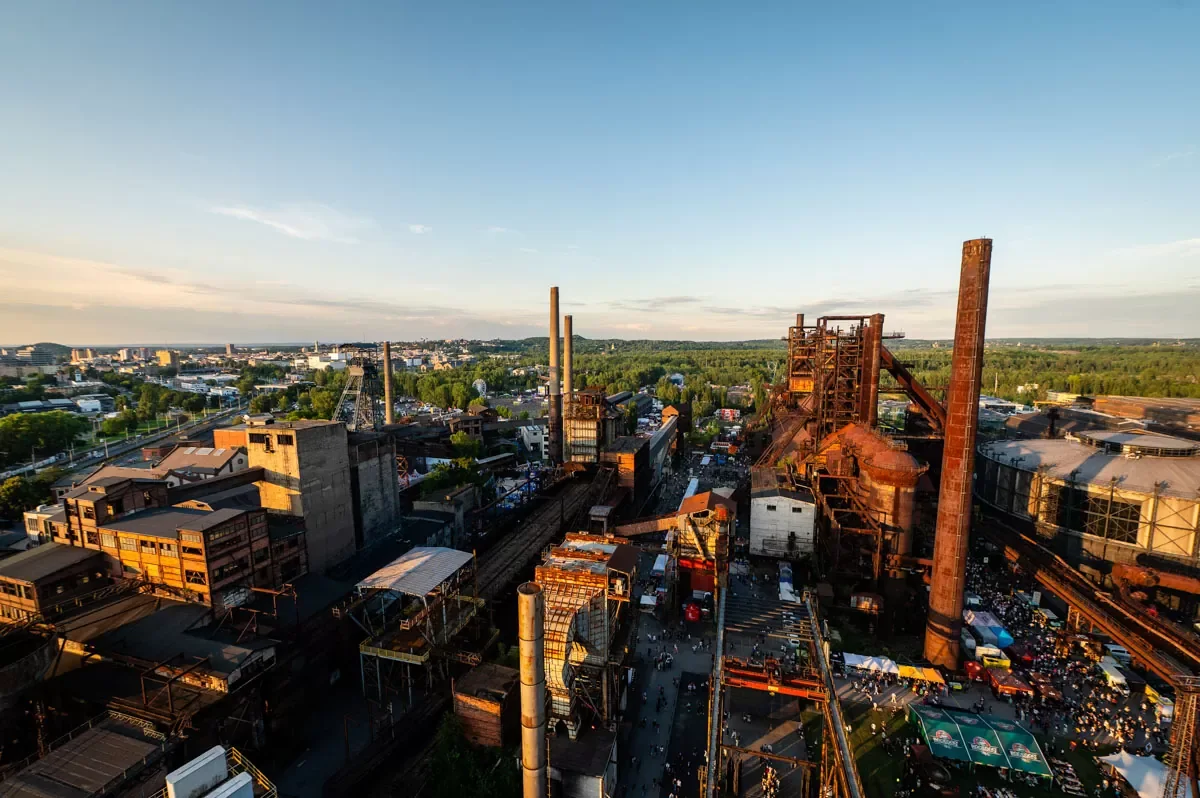
The industrial complex at Dolní Vítkovice is one of Ostrava’s strongest physical settings.
Former furnaces, steel structures and large converted spaces create a convincing environment for festivals, concerts and major parties.
BrickHouse is part of that event geography.
The setting can still mislead.
An industrial building does not automatically produce an important night. Exposed steel cannot compensate for the wrong line-up, an oversized room or an event that has failed to attract enough people.
Check the programme first.
During large festivals such as Beats for Love or Colours of Ostrava, official afterparties and extended transport can create nights that continue well into the morning.
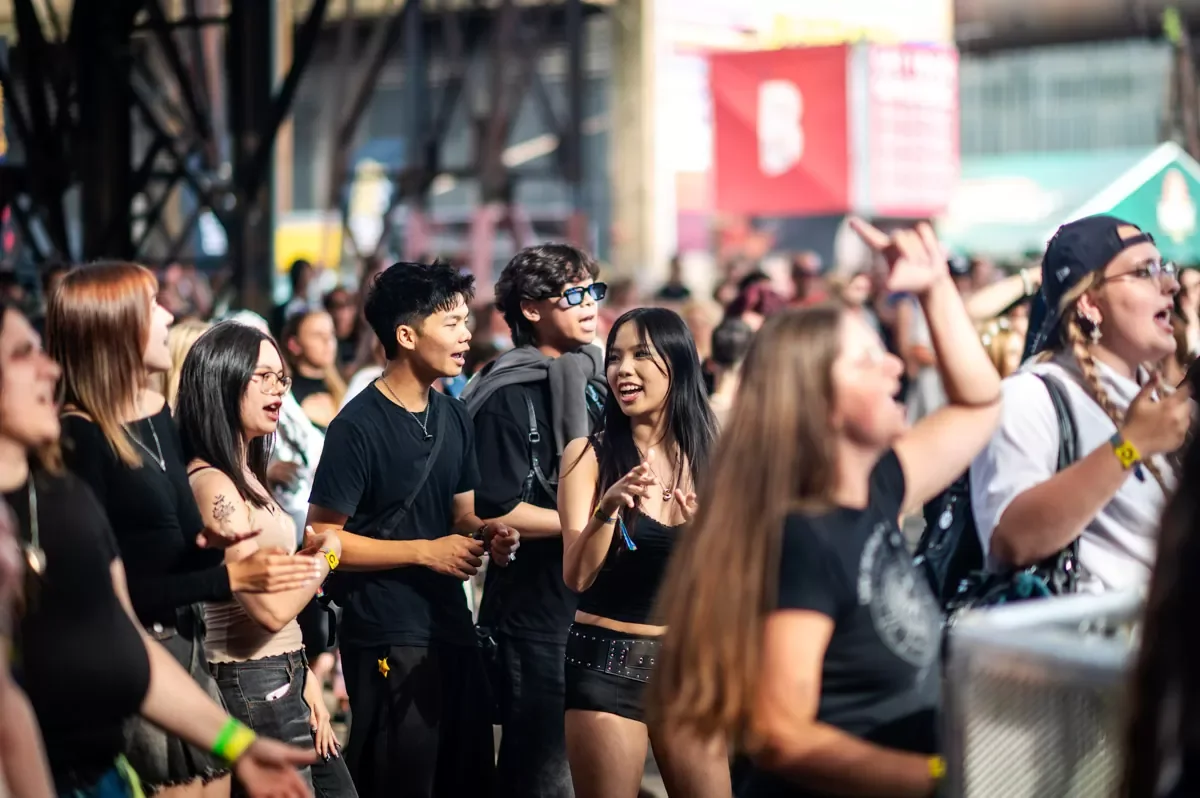
On an ordinary weekend, the same site may not provide anything comparable.
Do not travel to Dolní Vítkovice because the photographs look industrial.
Travel because something is happening there.
Commercial nightlife is not the enemy
Travel articles often recommend nightlife as though the writer is being examined on cultural taste.
A room playing familiar pop, dance music, hip-hop or commercial electronic tracks is described apologetically. A half-empty event becomes automatically respectable when the poster uses difficult typography.
Ignore the hierarchy.
A commercial party can provide:
- a busy dance floor;
- songs people recognise;
- clear opening hours;
- straightforward drinks;
- a crowd that came to dance;
- no requirement to research a subgenre before entry.
That may be exactly what the evening needs.
The problem with old Stodolní recommendations was not that they were too commercial.
The problem was that they were old.
A mainstream venue must still be checked for the current date, current crowd and current operation.
An obscure venue must meet the same standard.
Local advice now starts elsewhere
A useful local signal appeared in a Czech online discussion in February 2025.
A visitor asked where to go out in Ostrava after hearing about Stodolní.
The responses were strikingly consistent.
Several users advised avoiding Stodolní entirely. Others described its better years as finished or called the current reputation overrated. Dock was suggested as a more dependable opening.
That discussion cannot prove what every Ostrava resident thinks.
Reddit is not the city council.
It does show the gap between outside expectation and local instinct.
Visitors still arrive asking about the famous street.
Locals increasingly answer by redirecting them.
That is exactly the kind of mismatch a current guide should notice.
Friday and Saturday are not interchangeable with every other night
Ostrava supports real nightlife.
It does not support the same nightlife every evening.
Friday and Saturday remain the strongest choices for:
- active clubs;
- event programmes;
- multiple backup venues;
- larger crowds;
- later public-transport demand;
- spontaneous changes of plan.
Thursday may work during the university term or around a specific event.
Sunday through Wednesday require more preparation. A venue can be technically open without producing a social night. A street can contain lights without containing momentum.
This distinction is especially important in an event-led city.
A traveller arriving on Tuesday should not conclude that Ostrava has no nightlife.
The traveller should conclude that Tuesday required an actual programme.
Large festivals distort the rest of the city
During Beats for Love, Colours of Ostrava and other major events, Ostrava can feel like a much larger nightlife city.
Tens of thousands of people gather around Dolní Vítkovice. Transport schedules change. Accommodation becomes more expensive. Temporary events and afterparties extend the night.
The centre may simultaneously appear quieter.
That is not a contradiction.
When much of the active audience has entered one festival site, unrelated streets lose the same people.
Do not inspect Stodolní during a major event and conclude that nobody is going out.
They may all have paid to be somewhere else.
Check the city calendar before judging the street.
Prices require a date, not folklore
Czech nightlife is often described as cheap by visitors comparing it with Belgium, the Netherlands or western Germany.
That remains broadly possible.
It is not a pricing system.
Ostrava uses the Czech koruna. For conversions in this article, €1 is approximately 24.16 CZK.
Public transport currently costs:
- 24 CZK (€0.99) for a ten-minute ticket;
- 32 CZK (€1.32) for a 60-minute transferable ticket;
- 100 CZK (€4.14) for a 24-hour ticket.
Tickets can be bought in vehicles with a bank card.
For a non-transfer journey paid directly by card, tap when entering and again when leaving. For a transferable journey, tap on entry to each vehicle but not when exiting.
Club prices depend on the event.
Check the ticket link supplied by the organiser. Do not trust a remembered admission price from an old article, especially when the event now uses several presale tiers.
Drink prices likewise vary between a pub, restaurant, student party and major electronic event.
The relevant comparison is the current menu in the room you are actually considering.
Getting home needs its own plan
Ostrava’s tram, bus and trolleybus network is extensive.
The centre, Stodolní, the railway station, Dolní Vítkovice and many residential districts remain connected late, but night frequencies and routes differ from daytime service. Construction and festival diversions are common.
Use the current DPO journey planner.
Check the outward and return journey separately.
A tram that works at 21:30 may not repeat the same connection at 03:45.
Dublin and central Stodolní accommodation are often walkable from one another. Dock remains reasonably central. Fabric, BrickHouse and hotels in outer districts may require public transport or a booked ride.
A taxi is not an admission that the night failed.
It is sometimes the difference between twenty sensible minutes and an hour crossing unfamiliar roads, railway land or quiet industrial edges.
Use a licensed or app-booked vehicle.
Do not enter an unmarked car because somebody outside a club announced the word taxi.
Safety is more specific than “Ostrava is rough”
Stodolní has accumulated a long reputation involving intoxication, fights, drugs, theft and police attention.
Some of that comes from its busiest years.
Some remains relevant.
The street experienced during the 2025 field visit was not terrifying. It was more disappointing and socially uneven than openly dangerous.
That distinction matters.
A quiet street does not automatically become safe.
A rough reputation does not mean violence is inevitable.
Use normal nightlife precautions:
- keep control of the phone and wallet;
- watch the drink;
- avoid confrontations with heavily intoxicated groups;
- leave immediately when a room feels wrong;
- keep the route back to the hotel available;
- do not depend on strangers for transport;
- do not follow people into an unmarked or residential space merely because they promise another bar.
The strongest safety decision made during the field visit was simple.
A room felt wrong.
We left.
No further investigation was required.
Can a solo visitor still go out?
Yes.
The correct venue matters more than the city-wide label.
A solo visitor seeking conversation may find Dock or a central pub easier than a closed group inside a small late bar. A solo club visitor may prefer Fabric or another ticketed event with a published programme, visible staff and an identifiable crowd.
Dublin can work when it is busy enough to absorb individual arrivals.
Stodolní becomes less attractive for a solo visitor when several rooms are quiet, group-dominated or hard to assess from the entrance.
Do not solve solo nightlife by recommending the quietest possible place.
Some people travelling alone still want a dance floor at 03:00.
The useful question is whether the venue supplies enough structure—programme, staff, transport and crowd—to make that choice comfortable.
Three Ostrava nights that make sense
The field-test night
Eat at HogoFogo or another central restaurant.
Walk Stodolní once.
Give the district twenty or thirty minutes.
Enter Dublin when it has the crowd.
Leave the street when it does not produce a second useful option.
The objective is to test the reality, not to defend the reputation.
The low-risk social night
Begin at Dock.
Stay for drinks when the room works.
Check the current central programme.
Continue to Stodolní only as an optional inspection, not as the main event.
Return to the hotel without treating the absence of a club as unfinished work.
The actual club night
Check Fabric, BrickHouse and the Visit Ostrava events calendar before dinner.
Choose the event by music and date.
Buy the ticket where appropriate.
Plan transport.
Go directly.
Do not miss the event while waiting for Stodolní to become what an old guide promised.
What the old guides still get wrong
They present Stodolní as a nightlife machine.
It is not.
It is a historically famous street containing several active businesses, several weaker rooms and a reputation much larger than the dependable present-day experience.
They also assume that a venue name is permanent.
It is not.
Businesses close, change operation, shorten hours and shift from club to pub or restaurant while old directories continue presenting them as equivalent nightlife choices.
They treat one district as the city’s entire evening.
It is not.
Ostrava now works through individual venues, named events, riverside bars, large industrial sites, festival calendars and nights when the correct decision is simply to remain over dinner.
The field visit of November 2025 was disappointing because the expectations were high and the street supplied very little of what had been promised.
That remains one moment.
Local reporting and local discussion show that it was also a characteristic moment.
Stodolní did not suddenly fail on the exact night we arrived.
Its reputation had been drifting away from its reality for years.
The current Ostrava night begins with better information.
Check the programme.
Check the opening hours.
Check the return journey.
Walk Stodolní when curiosity remains.
Follow the crowd that is genuinely present.
Do not follow the legend.

